
The result of a journey that began years ago and has grown through experiences, encounters,…

Burnout and Creativity: Finding Yourself Through New Experiences
When Taking a Break Isn’t Enough
There are times when even our free time doesn’t seem to be enough. We look forward to the weekend to catch our breath, plan holidays to get away from work, and try to carve out some time for ourselves. Yet sometimes the tiredness remains, and our minds keep returning to daily responsibilities and worries.
When this feeling becomes persistent, it is important to look not only at our habits, but also at the conditions in which we live and work. Burnout is associated with chronic workplace stress and highlights an issue that goes beyond individual time management to include working conditions and the space left for personal life.
How can we recognise this condition? And what role can the activities we choose to pursue outside our daily responsibilities play?
False Solutions: When Free Time Becomes Another Obligation
When we feel exhausted, our first instinct is often to switch off: book a weekend away, plan a day trip, or fill our free time with enjoyable activities. These options, however, do not necessarily guarantee a restorative break.
Think of a weekend planned down to the last detail: an early start, travelling, getting around, sightseeing, bookings, and an itinerary to follow to make sure nothing is missed. The intention is to escape the routine, but the result can be a series of commitments that require energy and organisation. We return home with new memories, but also with the feeling that we need another break. When every moment has to be made the most of and every experience has to deliver something, free time begins to follow the same logic as the working day.
Something similar happens when we turn well-being into another to-do list: exercising, meditating, following a routine, or learning to manage our time more effectively. Habits that could be helpful can become yet more expectations to meet.
Burnout, however, cannot be resolved simply by taking a holiday or learning to relax.
The question then becomes: what kinds of experiences allow us to approach our free time differently, without turning it into another performance?
What Research Tells Us
The World Health Organization defines burnout as a condition associated with chronic workplace stress that has not been successfully managed. It is characterised by exhaustion, mental distance from one’s job, and reduced professional efficacy. Addressing burnout therefore also means considering the working conditions that contribute to it.
Research has also highlighted the role of experiences outside work. A meta-analysis published in the Journal of Organizational Behavior identified psychological detachment from work, relaxation, learning, and autonomy as factors associated with well-being. More recent studies on craft and artistic activities have reported promising findings in relation to stress, anxiety, and mood.
These findings do not show that a creative course can definitively cure burnout. They do, however, suggest that engaging in a hands-on activity may support well-being through concentration, experimentation, and learning. The value lies not only in what we create, but also in the experience of doing something without constantly chasing a result.
Sources: WHO on burnout · Meta-analysis on recovery experiences · Systematic review on craft activities
Burnout and Creativity: The Value of Working with Our Hands
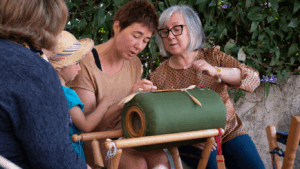
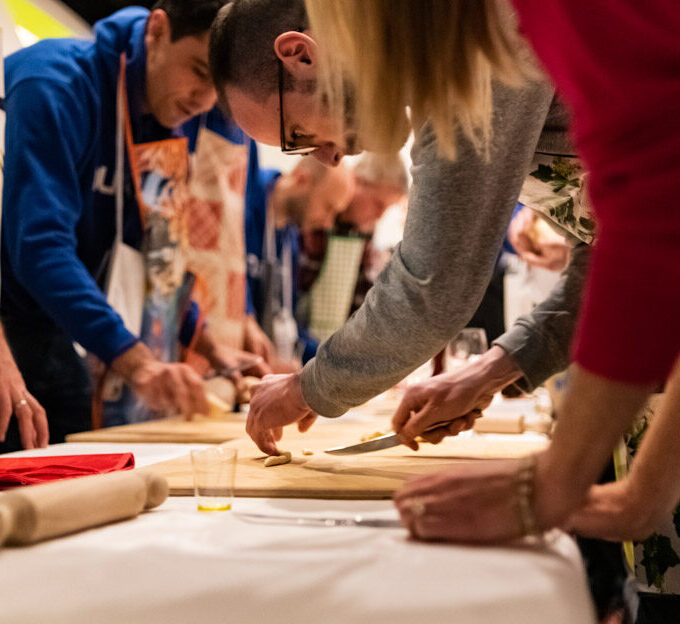
Engaging in a creative activity means connecting with materials, focusing on tangible gestures, and watching something take shape. Ceramics, weaving, painting, and other craft practices require attention, patience, and a willingness to experiment.
Learning a new technique also allows us to step outside our usual roles and enjoy an experience in which not everything has to be immediately productive or perfect. The process requires presence: observing, trying, making adjustments, and accepting that the outcome is not always predictable.
Working with our hands can offer a different way of directing our attention, temporarily distancing us from the demands and automatic habits of everyday life. The aim is not to treat creativity as a cure, but to recognise the value of an activity that engages the mind, the body, and our capacity to learn.
A Change of Environment, a Change of Perspective
The setting in which we experience something can help make it feel different from our usual routine. An artisan’s workshop, a natural setting, or a place rich in cultural history can introduce us to people, practices, and ways of working that rarely feature in our everyday lives.
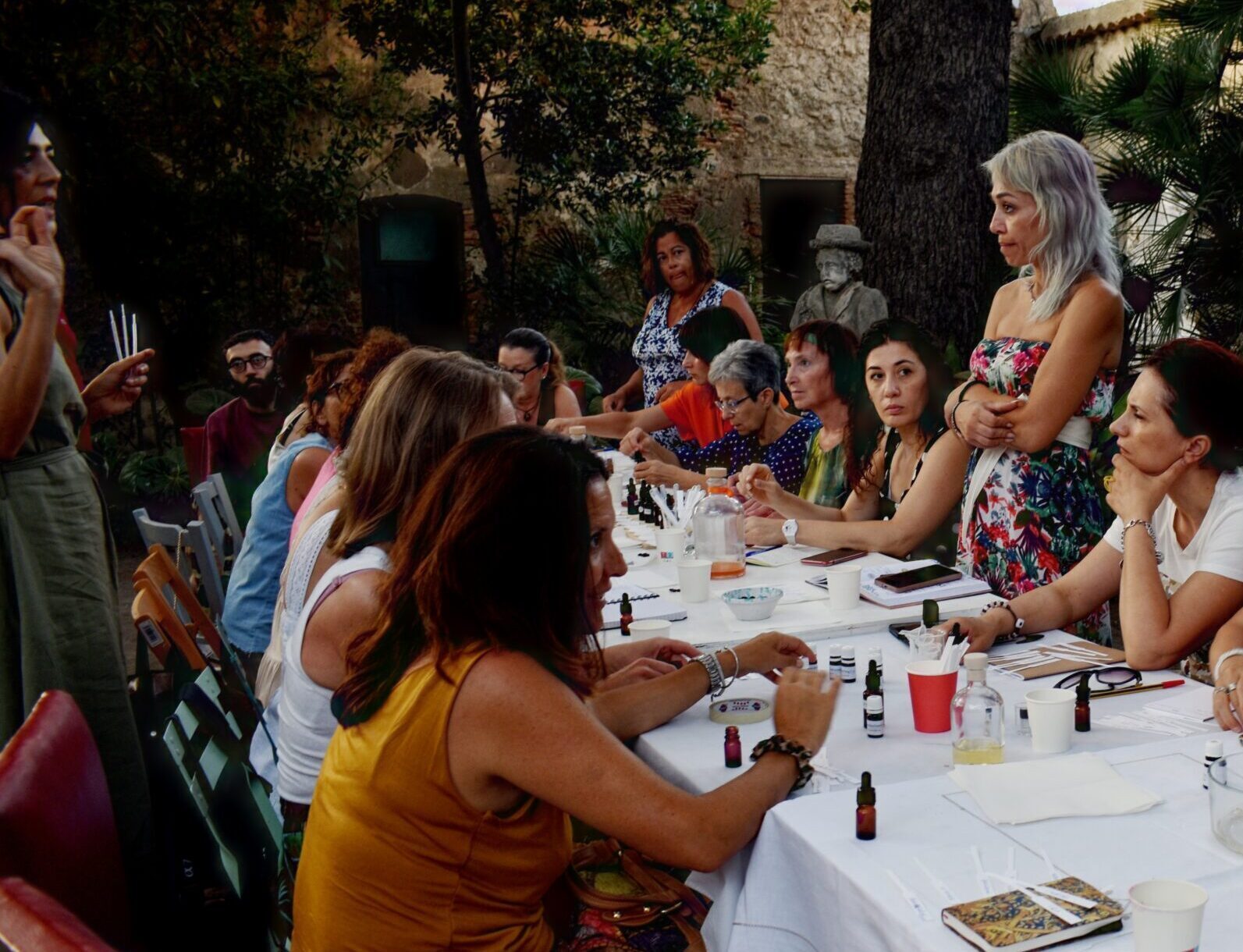
An intensive course or creative retreat offers the chance to spend more time learning a technique, observe the work of someone with expertise, and experiment directly with materials. Learning takes place through hands-on practice, exchange, and shared experience.
A change of environment can offer a tangible opportunity to step away from familiar habits and discover interests that everyday life leaves little room to explore.

Learning to Listen to Ourselves and Move at Our Own Pace
Some experiences cannot be measured solely in terms of productivity. An object we have made, a technique we have learned, a conversation sparked during a course, or the discovery of a place can make room for curiosity and the pleasure of being present.
Slowing down does not necessarily mean doing everything more slowly. Sometimes it means choosing to do something different, allowing ourselves time to learn, and recognising what we need without turning well-being into yet another performance.
Creative Italy: Experiences Beyond the Routine
Through programmes dedicated to the arts, crafts, and local knowledge, Creative Italy brings together people, professionals, places, and creative practices. Courses, retreats, and immersive experiences offer the chance to explore different techniques, meet the people who practise them, and discover the cultural contexts in which they developed. Taking the time to work with a craft, observe a process up close, and experiment firsthand goes beyond simply visiting a place.
Courses and retreats such as those offered by Creative Italy can provide an opportunity to nurture curiosity, develop new skills, and enjoy a cultural experience in which making and learning take centre stage.
Discover our courses, retreats, and Craft & Travel on the Creative Italy website.
Related Posts
Comments (0)